Punjab Smog Mitigation and Response Initiative – Air Safe
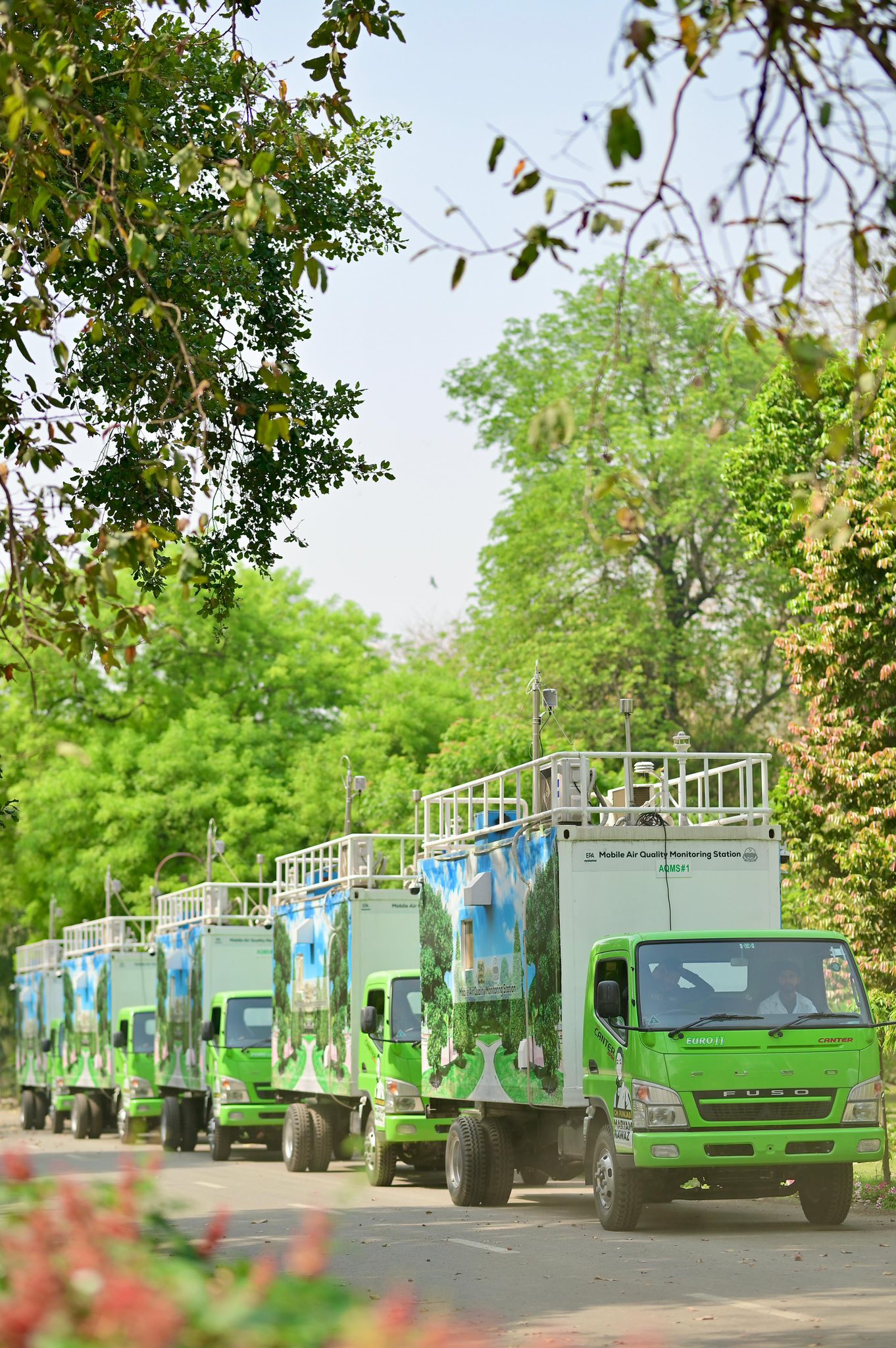
Punjab Smog Mitigation and Response Initiative - Air Safe is a comprehensive, technology-driven effort to combat smog and air pollution across the province. Under this initiative, EP&CCD Punjab is working to strengthen air quality monitoring, enforce emission standards, and control fuel adulteration, all critical to protecting public health and the environment. A total of 26 fixed Air Quality Monitoring Stations (AQMS) are being added to the existing system to provide real-time, localized air quality data. This empowers both the government and the public with accurate information to make timely decisions and implement targeted smog control actions. In parallel, 20 smoke opacity meters are being deployed to monitor vehicular emissions, ensuring that on-road vehicles comply with pollution limits. This reduces harmful exhaust fumes that are a major contributor to urban smog and respiratory illnesses. To address fuel-related pollution, three mobile fuel testing laboratories are regularly inspecting fuel quality at sale points, helping prevent fuel adulteration that leads to high emissions. This results in cleaner-burning fuels, improved engine performance, and ultimately, healthier air for all citizens. In the most severely affected smog zones, 15 fog cannons are being installed to suppress airborne particulate matter and provide immediate relief from hazardous air conditions. Together, these interventions contribute to improved air quality across Punjab, enhanced enforcement of environmental regulations, and a significant reduction in vehicular and industrial emissions.
CM Punjab Climate Leadership Development Internship Program
The CM Punjab Climate Leadership Development Internship Program is a transformative step toward empowering the youth of Punjab to take charge in the fight against climate change. This six-month paid internship is designed for passionate young individuals aged 18–25, offering them a unique opportunity to actively contribute to environmental protection while gaining hands-on experience. Under this program, interns working alongside the Environmental Protection Agency (EPA), support vital functions such as data collection, pollution monitoring, public awareness campaigns, and community outreach. This involves them in solving real environmental challenges, building not only their confidence but also essential skills in climate science, environmental policy, communication, advocacy, and project management. This program doesn't just educate; it equips and activates the next generation of environmental leaders. With innovation and community impact in mind, this program encourages students to think critically and creatively, proposing practical solutions to environmental issues. By fostering a province-wide network of youth committed to climate action, the program is creating a powerful movement for change from the ground up.

CM Punjab Green Credit Program
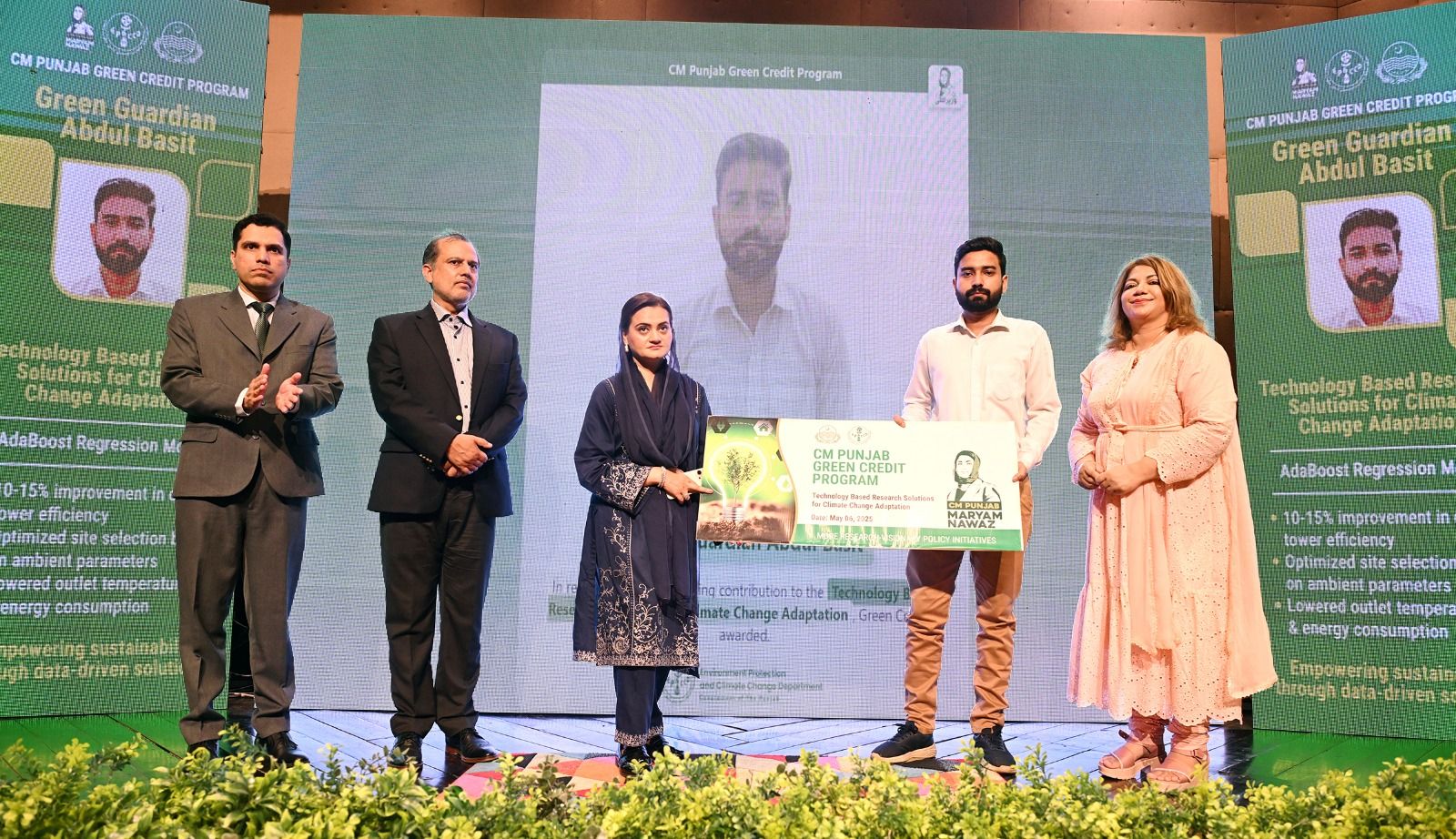
The Chief Minister Punjab Green Credit Program (CMPGCP) introduces a groundbreaking, reward-based system that places citizens at the heart of environmental change. Through this initiative, Green Credits in the form of cash rewards are awarded to the residents taking eco-friendly actions such as planting trees, managing waste, conserving energy, and adopting green practices. Thousands of citizens have already registered through the official online dashboard, which tracks participation in six key areas and 32 verified green activities. A robust Monitoring, Reporting, and Verification (MRV) framework ensures transparency in credit issuance. Beyond individual incentives, the program promotes systemic environmental progress through large-scale initiatives. Afforestation projects across several districts are not only revitalizing local ecosystems but also generating carbon revenue under Article 6 of the Paris Agreement and through the Voluntary Carbon Market (VCM). These projects improve air and water quality, restore biodiversity, and offer new livelihood opportunities for rural communities. In parallel, the introduction of a pilot-scale Emission Trading System (ETS) provides a market-based mechanism to reduce greenhouse gas emissions, increase energy efficiency, and
Enhanced Water Quality Monitoring System in Punjab
To improve environmental governance and ensure safer water for the people of Punjab, an Enhanced Water Quality Monitoring System has been established under the Punjab Green Development Program. As part of this initiative, 15 advanced Water Quality Monitoring Stations (WQMSs) have been successfully installed across the province. These stations generate real-time, hourly water quality data, which is automatically transmitted to a central control room for analysis and action. With continuous data collection, this initiative is greatly enhancing water quality monitoring, enabling better decision-making, and contributing to strengthening environmental governance in Punjab. The creation of a centralized database of water quality information now allows for quicker responses, more informed policy actions, and long-term planning to protect the health of communities and ecosystems across the province. In addition, comprehensive training programs are also conducted for officers and staff of the Environment Protection and Climate Change Department and Environmental Monitoring Center (EMC) to build technical capacity and ensure effective use of the system.

Environmental Monitoring of Industrial Units
The enhanced monitoring of industrial units directly contributes to cleaner air, safer water, and healthier communities for the people of Punjab. By equipping eight Environmental Protection Agency (EPA) laboratories to monitor industrial emissions, the program helps reduce the harmful pollutants that are a major cause of smog and respiratory illnesses, especially in densely populated areas like Lahore. With more accurate and frequent monitoring, authorities can now take quicker action against industries violating environmental laws. This means fewer toxins are released into the air, leading to improved air quality and reduced health risks, particularly for children, the elderly, and people with respiratory conditions. The program also strengthens the monitoring of industrial wastewater, helping to prevent the contamination of rivers and groundwater. As a result, the public benefits from cleaner water for daily use, agriculture, and ecosystem health. In addition, regular Air Quality Index (AQI) updates from divisional headquarters now keep the public informed and aware. People can plan their activities accordingly, and decision-makers can implement timely measures to protect public health.

EPA; Up gradation, restructuring, revamping and automation
A powerful initiative to upgrade, restructure, revamp, and automate the Environmental Protection Agency (EPA) Punjab. The initiative mainly focuses on the implementation of the Punjab Environmental Protection (Smog Prevention and Control) Rules 2023. This also focuses on reducing the occurrence of smog across Punjab. EPA now actively conducts surveillance to create a real-time inventory of air pollution hotspots and takes immediate action against defaulting industrial units and illegal brick kilns, which are key contributors to smog. This results in reduced air pollution at the source, directly improving air quality and respiratory health for the public. To strengthen on-ground enforcement, modern vehicles have been procured, ensuring round-the-clock monitoring of emission-prone areas. These squads play a critical role in detecting violations early, preventing unchecked emissions that could otherwise impact thousands of people living in nearby communities. To further enhance the surveillance capacity, state-of-the-art drone cameras with accessories have been added to the fleet, enabling real-time aerial monitoring of remote or hidden pollution hotspots. This ensures accurate, data-driven action and supports targeted enforcement, leading to faster mitigation and cleaner urban environments. In parallel, the Smog Control Cell is being upgraded with modern IT equipment, enabling the automation of data analysis, improved reporting, and overall enhancement of response times. This digital transformation strengthens EPA’s ability to deliver timely and effective smog control services. For the people of Punjab, these improvements translate into cleaner air, fewer smog days, and better public health outcomes.

Establishment of Environmental Endowment Fund Management Unit
As a major step toward securing long-term environmental sustainability, the Environmental Endowment Fund Management Unit has been successfully established. It entails a non-profit company registered with the Securities and Exchange Commission of Pakistan (SECP), set up to professionally manage the Punjab Environment and Climate Change Endowment Fund (PECCEF). This dedicated company serves as a financial and administrative body to ensure that income generated through interest, dividends, and profits is used to fund impactful, green, and sustainable projects across the province. The scope of the initiative includes the successful registration of the company with SECP, financial provisioning for the initial six months, hiring of expert consultants to prepare operational manuals, arrangement of office space, and essential procurement. This milestone marks the beginning of a well-structured and transparent system that continuously supports Punjab’s environmental goals. With its long-term public impact, the fund contributes to reducing pollution, conserving vital resources, and creating cleaner, safer, and healthier environments for all citizens of Punjab.

Strategic Communication Cell
The Strategic Communication Cell (SCC) is a forward-thinking initiative that puts people at the heart of environmental governance in Punjab. It is designed to create a space where the public is not just informed, but actively involved in shaping and supporting EP&CCD's goals. By fostering open dialogue, transparent communication, and inclusive outreach through digital channels, SCC helps build a strong connection between the government and the people, making sure that environmental efforts include ideas and support from the community, not just decisions from the top. By involving the public, it creates a sense of trust, responsibility, and teamwork in protecting the environment. Through targeted awareness campaigns, digital storytelling, public consultations, and direct community interaction, SCC uses awareness campaigns, social media, public meetings, and community interaction to connect government policies with everyday people. It explains difficult issues in simple ways and listens to what the public has to say, helping people understand and take action, whether at home, in schools, at work, or in their communities. The SCC works to create an open and friendly space where people can take part in the department’s work and share their ideas. It supports bigger goals like sustainable development and getting the public more involved.

Disclosure of Environmental Information and Citizen Engagement
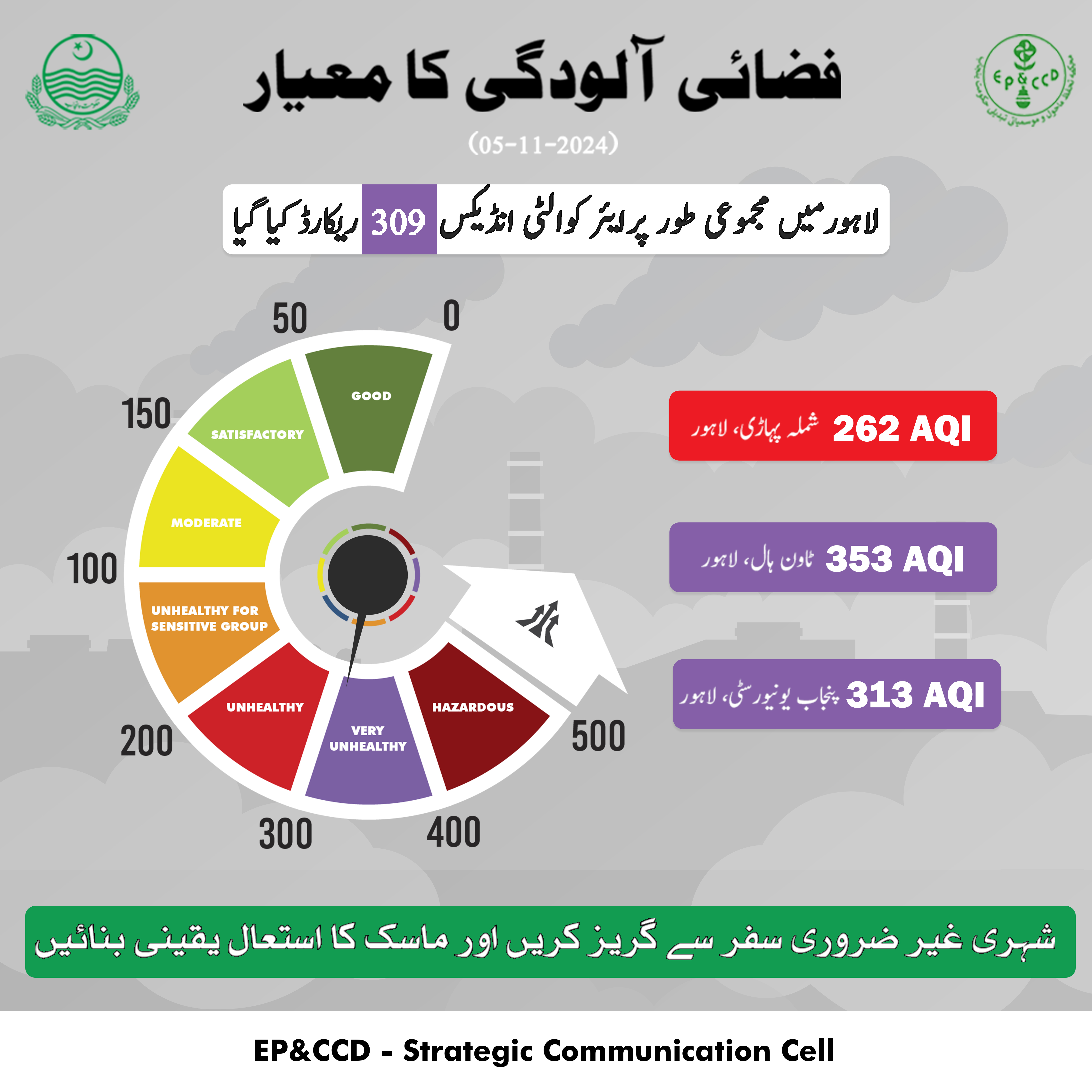
The Disclosure of Environmental Information and Citizen Engagement (DLI-3) aims to make environmental information more accessible and meaningful for the public. To address growing challenges like air pollution, EP&CCD introduced three key interventions. The Health Advisory System serves as an early warning tool during high pollution days, using real-time AQI data to issue health alerts. These advisories help protect vulnerable groups by guiding them on how to stay safe. To further support public access, the 1373 helpline is created as a vital link between citizens and the department, allowing quicker response from authorities. Additionally, the State of Punjab’s Environment Reports (2022 & 2023) is presented to offer the first detailed overview of the climate, helping inform policy and raise public awareness. Together, these initiatives promote transparency, protect public health, and empower citizens to actively engage in creating a cleaner and safer Punjab.